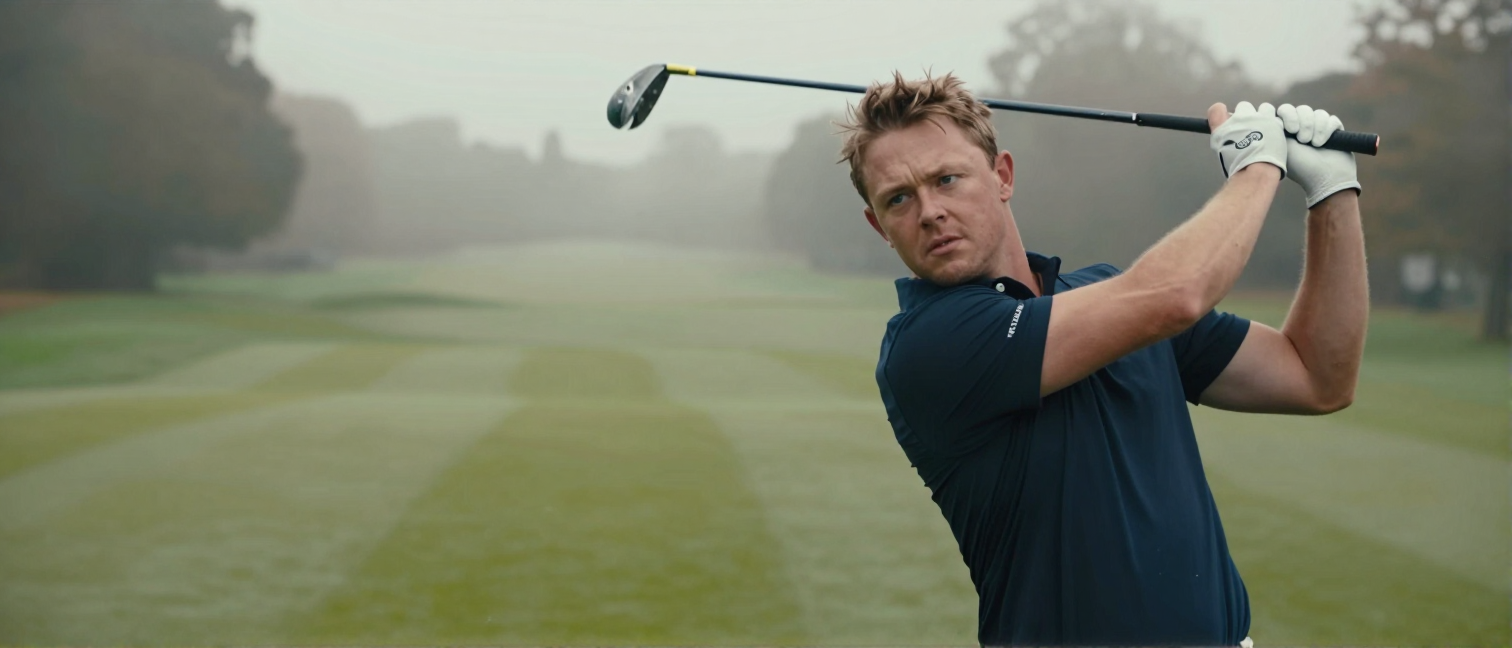
Rory McIlroy told reporters on 5 July 2026 that the unique challenges of links courses will shape the next generation of national opens, just days before he tees off at the Scottish Open.
What did McIlroy say about links golf?
He explained that the wind‑swept dunes, firm fairways and deep bunkers demand a different strategic mindset than park‑land venues. "You have to think three shots ahead," McIlroy said, noting that the mental discipline required on a links layout often decides who makes the cut. He highlighted the 2024 Open Championship at St Andrews as a recent example where players who embraced the conditions surged up the leaderboard.
How could national opens change?
McIlroy suggested tournament organizers might rotate more links‑style courses into their schedules to preserve the heritage of the game. He pointed to the Irish Open’s 2025 move to Portmarnock as a step in the right direction, saying it gave fans a taste of classic seaside golf. The Northern Irish star believes that adding such venues will attract younger audiences who crave variety and authenticity.
Why does this matter for Rory McIlroy?
The conversation is timely for McIlroy, who has a strong record on links terrain – three top‑10 finishes at The Open and a runner‑up at the 2023 Irish Open. His own preparation for the Scottish Open includes extra practice rounds in windy conditions, a routine he hopes will translate into a higher finish. A solid showing could boost his world ranking ahead of the season‑ending majors.
What’s next for the Scottish Open?
The tournament kicks off on 10 July 2026 at the historic Carnoustie Golf Links. McIlroy, currently ranked 7th in the Official World Golf Ranking, will start his first round at 12:00 pm local time. Early forecasts predict gusty breezes, meaning players will need to keep their ball flight low and stay patient around the notorious “Barry Burn.” McIlroy’s recent comments suggest he feels comfortable with that challenge and aims to finish inside the top‑5.
How might fans react?
Fans on social media have praised McIlroy’s candid take, with many agreeing that links courses add drama to the sport. A poll on the official European Tour site showed 68% of respondents want more links venues in future national opens. McIlroy’s influence as a Northern Irish icon could push governing bodies to heed that demand.
What could the broader golf world learn?
By emphasizing the strategic depth of links play, McIlroy highlights a path for the sport to stay relevant. He believes that blending tradition with modern tournament planning will keep golf appealing to both purists and newcomers. If organizers act on his suggestions, the next decade could see a resurgence of classic courses on the global stage.